Structures and materials
How loads pass through beams, columns, slabs and connections; how material properties influence behaviour.
01 / Civil engineering
From foundations to bridges, civil engineering connects the behaviour of materials, the ground and the structures we depend on. Explore the questions behind an infrastructure project and prepare a clear brief for technical advice.

Three connected areas help organise the questions, data and methods behind a study.
How loads pass through beams, columns, slabs and connections; how material properties influence behaviour.
How ground conditions, settlement and groundwater influence foundation choices and the information a study needs.
How roads, bridges, railways and drainage systems fit together, from site constraints to maintenance needs.
These examples show how an initial question can lead to a scoped assignment. The exact work and deliverables are agreed with the team.
| Your question | Information to bring | Possible output |
|---|---|---|
| What is the project intended to do? | Location, intended use, drawings and known constraints. | A clarified brief and a list of information still needed. |
| Which assumptions drive the analysis? | Available survey, ground information, loads and material data. | An explanation of the modelling approach and its limits. |
| How can a concept be understood or taught? | Your calculation, lecture notes, level and learning goals. | A worked explanation, diagrams or scoped training material. |
Explain the purpose, constraints and decision your project needs to support.
Review available documents and measurements, then identify missing information.
Confirm the method, assumptions, deliverables and schedule with the team.
The agreed work is reviewed by an engineer and explained with its limitations.
AI can help analyse data, draft explanations and compare scenarios. Our engineers review the results and stand behind the work delivered.
Project-specific calculations, design decisions and applicable requirements need a defined assignment and the relevant site information.
Send a short description so the team can help define the next step.
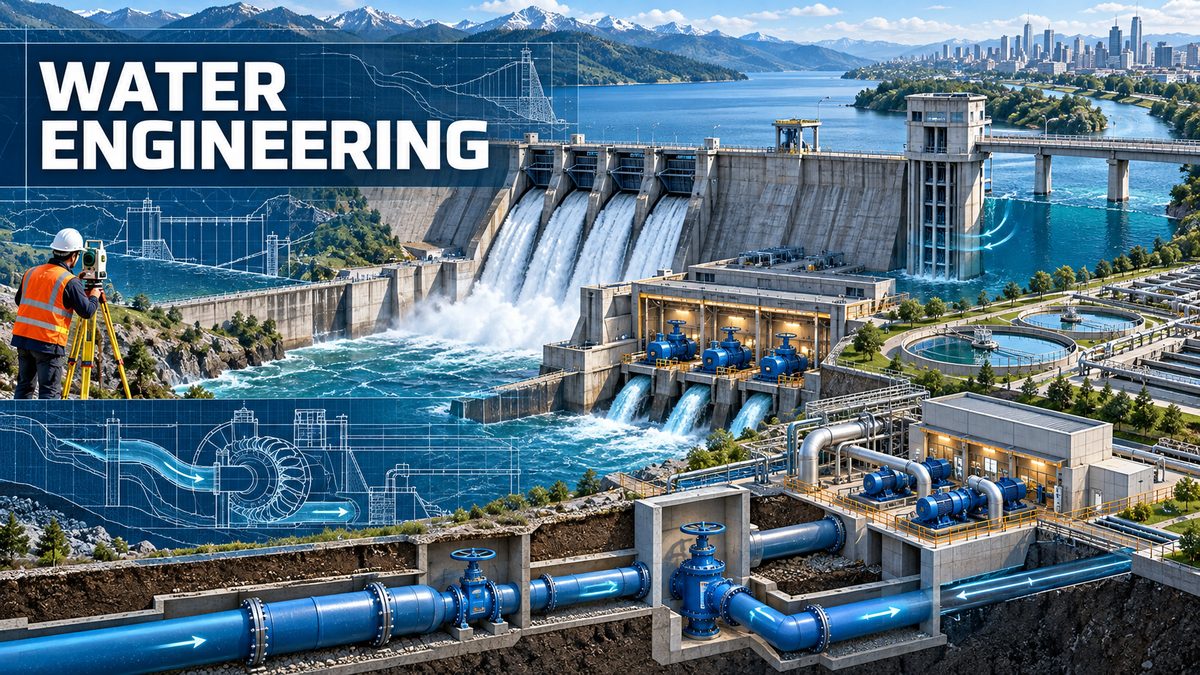
Water engineering brings together resource availability, hydraulic systems, treatment and environmental needs. A useful study begins by understanding where the water comes from, how it moves and what quality is required.
Explore the field →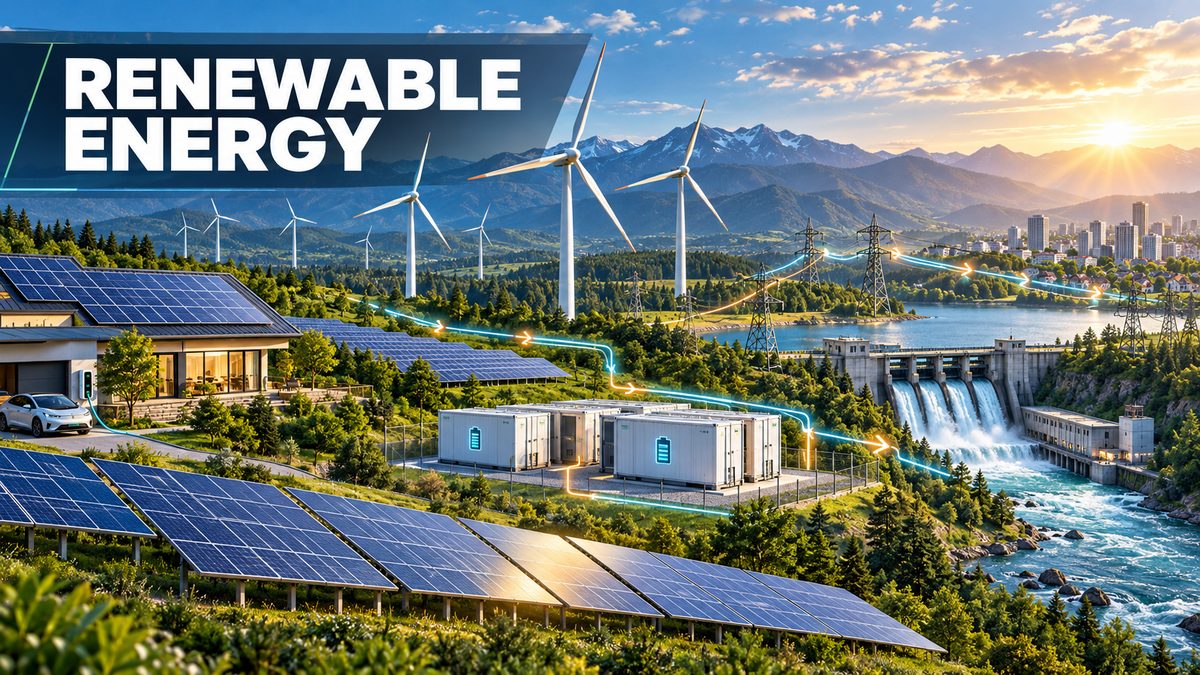
Solar, wind and hydropower projects begin with a resource and a purpose. Their assessment brings together production, demand, storage, connections and operating constraints to compare credible project scenarios.
Explore the field →Three fields, one working method. Our most useful work happens where they meet.
Physics, chemistry, hydraulics, water management, environmental impact studies and applied engineering, explained step by step with worked examples. We also study and assess scaled energy production projects and help organisations manage industrial risk.
Speech recognition turns lecture videos into transcripts and AI drafts the questions. The same computing supports our engineering work: data analysis, simulation and modelling for water, environmental, energy and industrial risk studies, and drafting of technical reports. A person reviews everything before it reaches students or clients.
Interactive videos, simulations, quizzes and clear learning goals, delivered on a Moodle platform. Courses cover the full range of our engineering work, from physics, chemistry and hydraulics to environmental studies, energy project assessment and industrial risk management, for students and for professional teams.
Automated calculations, flow and environmental data analysis, energy project screening, industrial risk scenarios, and faster preparation of studies. Every result is checked against the physics and reviewed by an engineer.
Technical courses and interactive simulations for teams working on water, the environment, energy and industrial risk, built from real project methods.
AI tutors limited to verified course content, analytics that show where learners struggle, and subtitled French and English versions.
An engineering report, and a course built from it, so your team understands the work and can maintain it.
Rivers and the water cycle are engineering classics. They are also a good model for learning: knowledge flows, speeds up through narrow points, then returns to feed what comes next.
Q = A · v
Neural networks are loosely inspired by how brain cells pass signals. Each artificial neuron adds up its weighted inputs and decides what to send on. This is what lets a model turn speech into text.
y = f(w₁x₁ + w₂x₂ + w₃x₃ + b)
Training adjusts the weights w and the bias b.
How a lecture becomes an interactive course
Recorded once and hosted on our own media domain.
Speech recognition adds timed subtitles.
Drafted with AI, reviewed by a teacher, placed at the right second.
Published as an interactive lesson on Moodle.
AI assistant. Your chat follows navigation in this tab and clears after 30 minutes of inactivity. Use Clear chat to remove the local copy. Please do not type personal or confidential information. Files sent with the paperclip go to our team, not the AI. Privacy
Conversation reference: